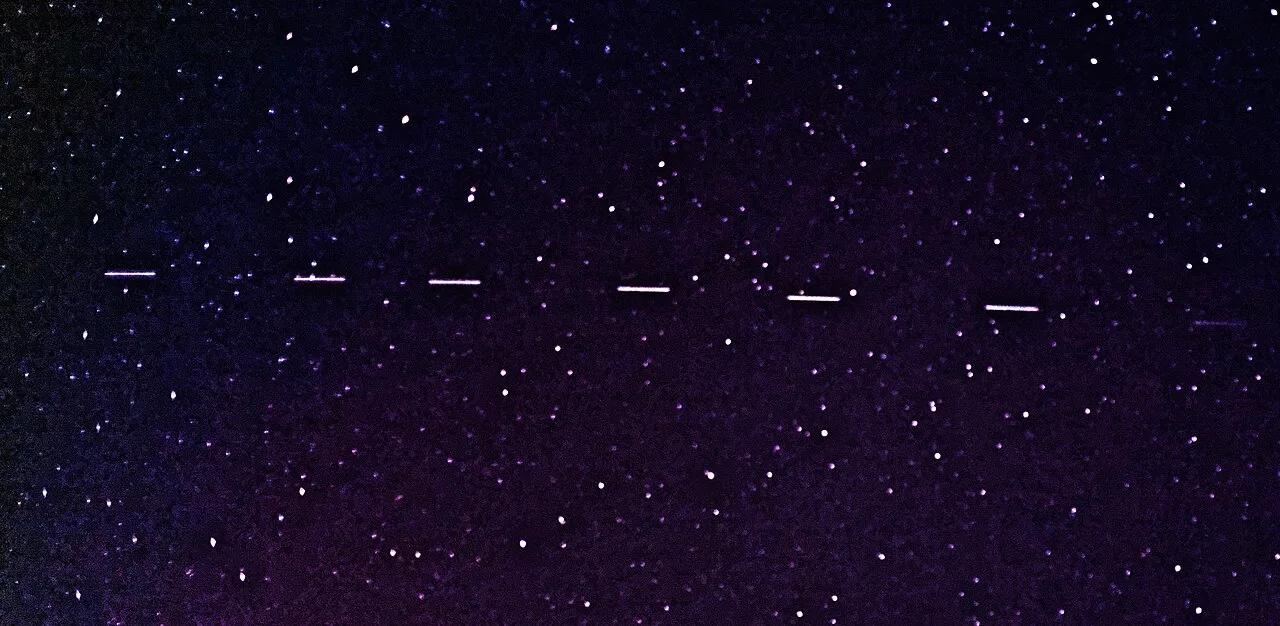
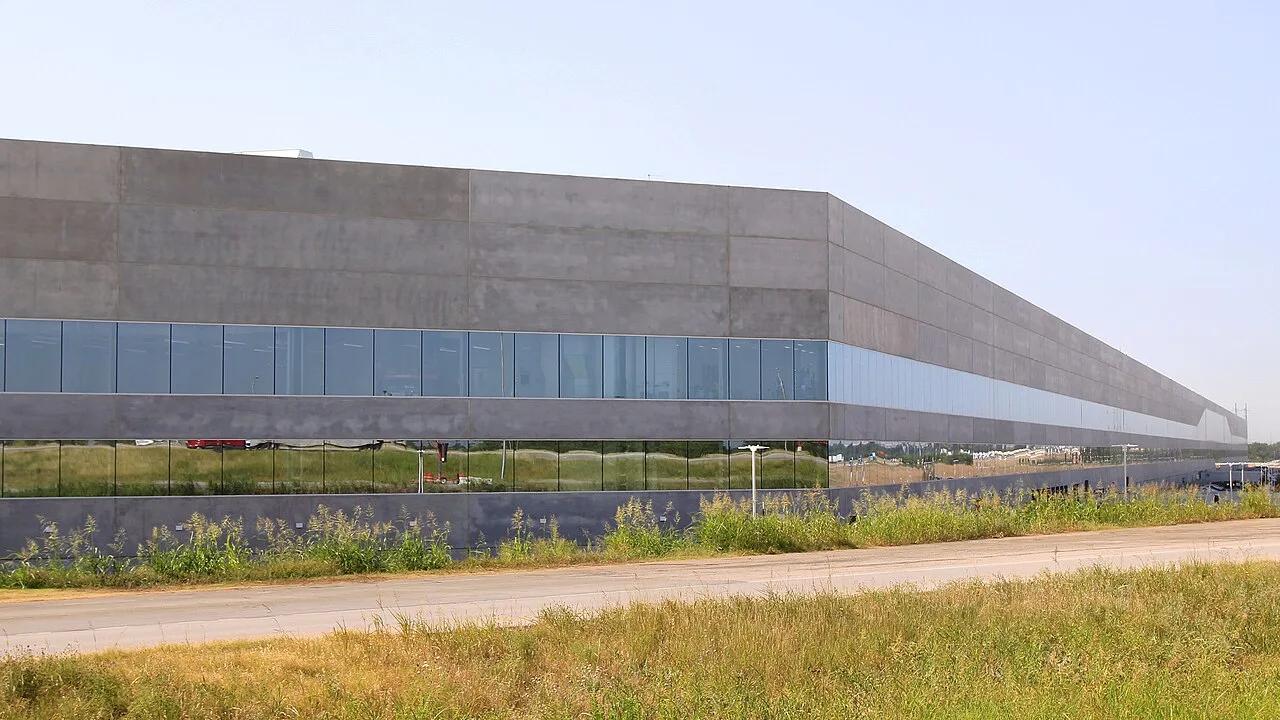
The Federal Communications Commission on Wednesday granted SpaceX conditional authorization to deploy up to 1 million "Starmind" satellites designed to work as orbital data centers, according to Ars Technica. If fully built, the constellation would increase the number of satellites in orbit roughly 50-fold.
What the FCC approved
FCC Chairman Brendan Carr called it "a historic first" and said the approval "opens a bold new frontier for the computing infrastructure needed to power America's leadership and growth." The satellites would use solar power to process AI workloads and send results back to Earth, as BBC reports.
SpaceX filed the application on Jan. 30, 2026, per Spaceflight Now. Key terms of the license:
- First satellites must be deployed by November 2033.
- 10% of the constellation must be up by November 2035, and 50% by November 2038, according to the BBC report.
- SpaceX is building the spacecraft in partnership with Nvidia, says Spaceflight Now.
- Elon Musk has said he expects the first Starmind spacecraft to launch in the third quarter of 2027.
For scale, Starlink today runs more than 10,000 satellites in low Earth orbit. Starmind would be about a hundred times that.
Who objected, and why it was overruled
The FCC said the application drew a substantial number of public comments, including petitions to deny from Amazon's Kuiper Systems, Viasat and the American Astronomical Society, per CNBC. The agency dismissed concerns about topics outside its authority, including environmental concerns and the impact on optical astronomy.
The AAS said it was "disheartened and dismayed" by the decision, as GeekWire reports.
What is still unproven
Approval is not proof that the idea works. Scientists quoted by the AP are skeptical, and critics point to hard engineering problems:
- Cooling: chips make a lot of heat, and in a vacuum a satellite can only shed it by radiation.
- Space traffic and debris: adding a million objects raises collision risk for everyone.
- Economics: it is unclear whether orbital compute can compete on cost with data centers on the ground.
BBC also notes it is unclear whether a million satellites will actually be launched, or whether SpaceX asked for more than it plans to use.
The case for orbit
Supporters say solar-powered orbital data centers would address the top complaints about terrestrial ones: land use, power consumption and water for cooling, as GeekWire puts it. Space gets near-constant sunlight, and nobody lives next door to complain about noise or traffic. That pitch is why the idea moved from Musk's talking points to a formal filing in under a year.
Reading the timeline
The deadlines are loose on purpose. Seven years to deploy the first satellite and 12 years to reach half the constellation gives SpaceX room to change course. The FCC also attached several conditions to the authorization, per GeekWire. Politico describes it as a 15-year license, so it runs past 2040.
Why it matters
Power, land and cooling water are the bottlenecks for AI data centers on Earth. Space offers constant sunlight and no neighbors, which is why SpaceX and others want to try it. The FCC has now given the first license of its kind, and Carr said competing constellations are expected to follow.
For developers and AI companies, nothing changes this week. No Starmind compute exists yet, and the first launch is targeted for 2027. But the ruling moves orbital data centers from a Musk talking point to a regulated project with deadlines. The next thing to watch is a working prototype that shows real cost and performance against Earth-based racks.