X has parental controls now. It took until late November 2026 to ship them, and the timing is hard to miss: the launch came days after Oregon and Virginia sued X's owner, SpaceX, over sexualized images made with Grok. This post reports what outlets say. The lawsuits are allegations, not findings, and nothing here is legal advice.
What parents get
According to The Verge, parents and guardians can see how much time a teen spends on X, set daily limits, require approval for new followers, and limit For You recommendations to accounts the teen already follows. They can also filter specific words, turn off sensitive media, control who can send the teen direct messages, and see which accounts the teen has chatted with, without seeing the messages.
Gizmodo reports the tools apply to teens aged 13 to 17. A parent can manage up to five teen accounts, and a teen can be linked to only one parent or guardian account at a time, per The Verge.
What parents do not get
X says parents cannot read private messages, see searches or viewing history, post as their teen, or access the account. "Every change is recorded and visible to the teen," X's safety team says, as quoted by The Verge. Supervision needs both sides to agree first. In the words of X product lead Mridul Singhai, quoted by both outlets, it "starts with a handshake and ends automatically when a teen becomes an adult."
That mutual-consent design has a limit. Tech Times notes that one analysis pointed out that the teens most at risk can simply decline supervision.
The lawsuits behind the timing
Salem Statesman Journal reports that Oregon Attorney General Dan Rayfield filed a $1 billion lawsuit on Nov. 23 against SpaceX, alleging it failed to prevent sexually explicit AI-generated images of children and adults on X and Grok. The suit alleges the companies weakened safeguards and promoted Grok's "spicy mode." Rayfield accused the companies of putting growth and engagement ahead of safety. Tech Times and The Verge say Virginia also sued that week, and Tech Times says they were the first US states to sue over Grok.
The Statesman Journal also cites a study by the Center for Countering Digital Hate that estimated about three million sexualized images, including about 23,000 that appeared to be of children, were produced between Dec. 29, 2025 and Jan. 8, 2026. These are the study's figures as cited by the paper and the lawsuit's backdrop, not court findings.
The company's response, posted on X on Nov. 23 and quoted by the paper: "Protecting children is non-negotiable." It added that such content "has no place on X or in Grok." Gizmodo quotes X saying child safety is a top priority and that X is "not designed for or promoted to children." Users must be at least 13.
An important caveat
Tech Times stresses that the lawsuits concern Grok's image tools, not teen accounts. The parental controls are a supervision tool for accounts. They do not, by themselves, address what the states allege about the image generator. None of the outlets above says the new controls change how Grok works.
Europe is watching too
Tech Times reports that Ireland's media regulator, Coimisiún na Meán, opened its first formal investigation into X under the Online Safety Code on Sept. 8. It says the regulator raised concerns that X's parental controls might be ineffective and hard to find, and that age checks based only on self-declaration are not considered effective. A breach could bring a fine of up to €20 million or 10% of relevant annual turnover, whichever is higher, per Tech Times. I did not find Indonesia-specific data on this rollout.
Why it matters
Parental controls are now standard on the big platforms, and Tech Times notes Instagram and TikTok have offered similar tools for years. For X, the question is less about features than trust: regulators and state attorneys general are testing whether the company's safety promises hold up. If you are a parent, the tools are opt-in and need your teen's agreement, and they cover the account, not the AI features. The lawsuits are still at an early stage, and the company disputes the framing.
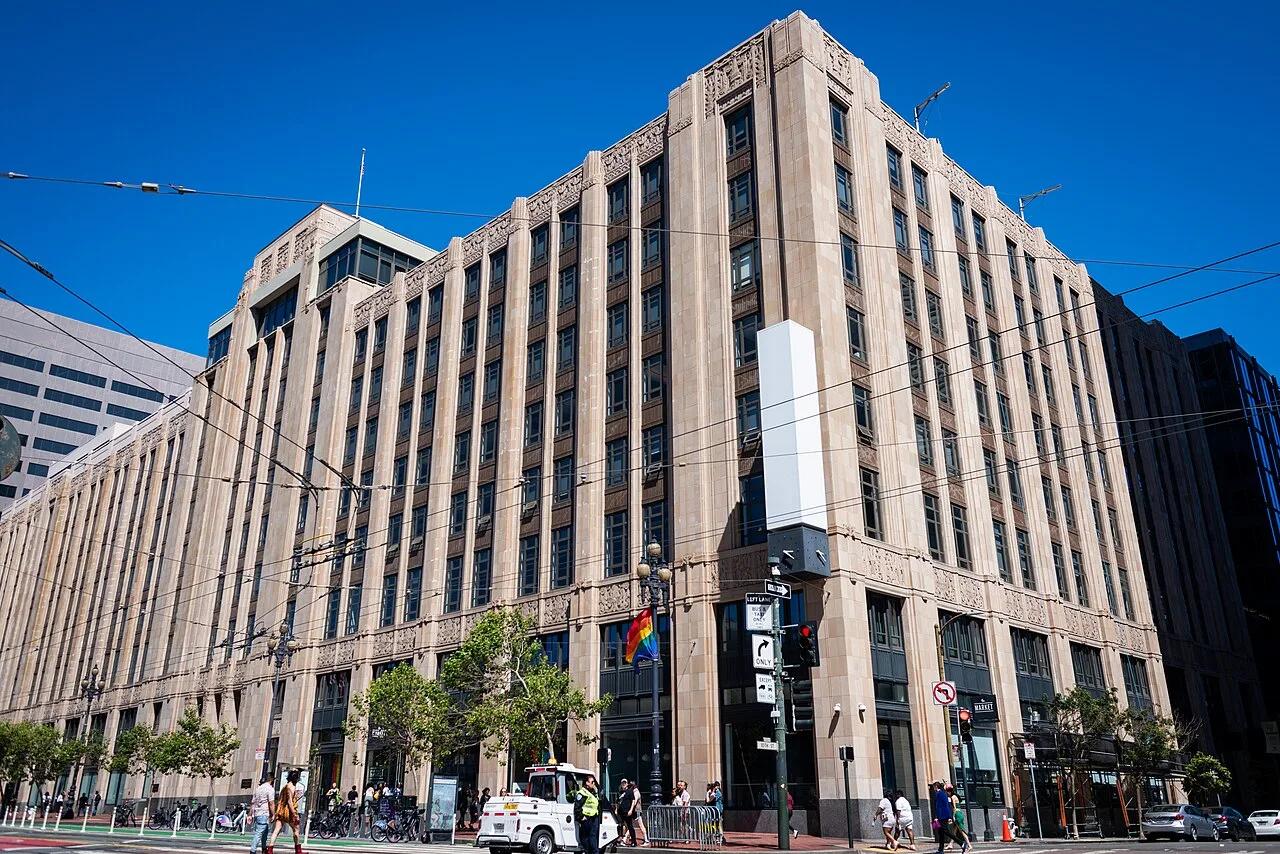
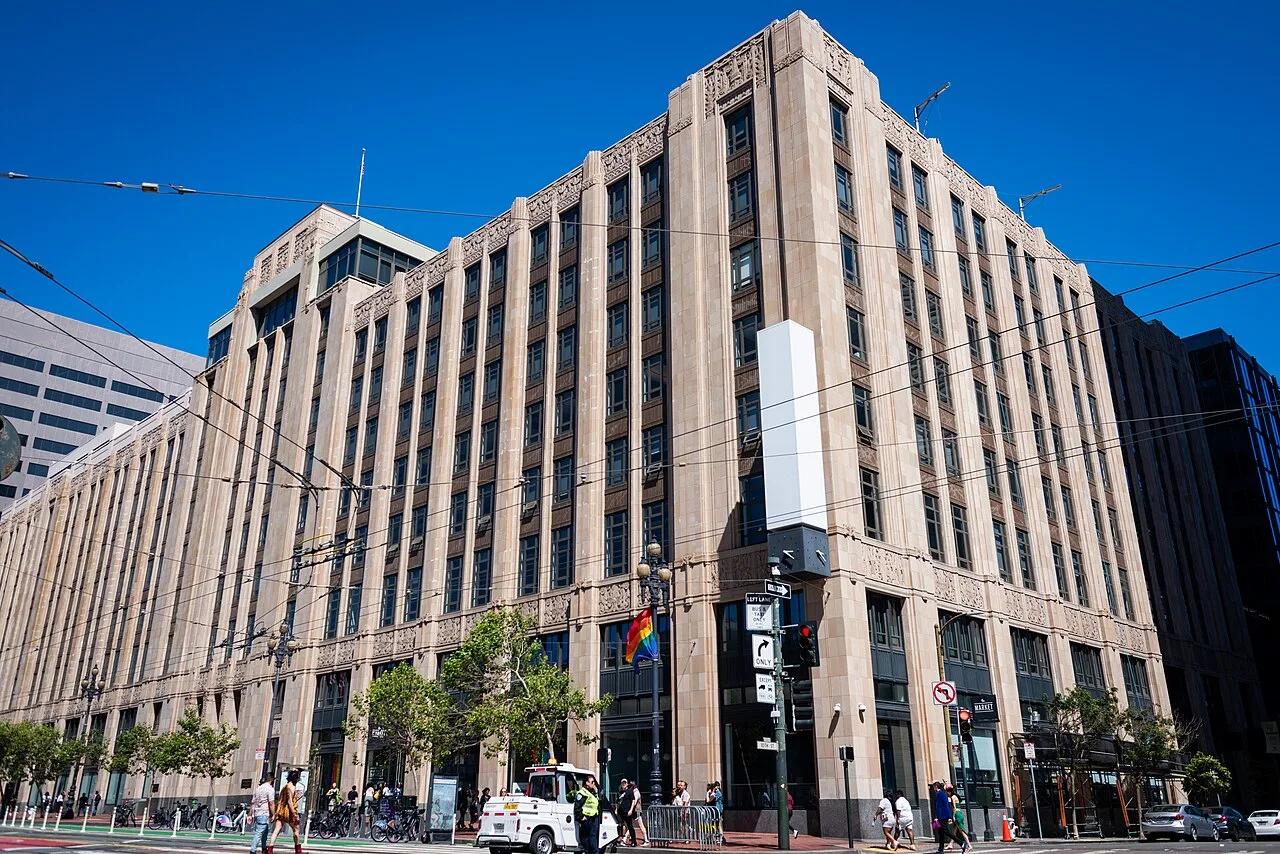
Cover photo: San Francisco building that housed Twitter's headquarters, photo by 9yz, CC BY-SA 4.0, via Wikimedia Commons. Illustrative image.