Nvidia has reportedly hit pause on AI server shipments to four Southeast Asian countries, including Indonesia, as the US moves to close a route Chinese companies used to reach its chips. Nvidia has not responded publicly, and one government says it has not confirmed the halt. The reports still matter for the region's AI build-out.
What was reported
According to the Financial Times, Nvidia's server-making partners, such as Dell and Supermicro, told customers in Malaysia, Singapore, Thailand and Indonesia that Nvidia would not allow their orders to ship, per Reuters via Investing.com. The Financial Times said it was unclear whether the halt is temporary, as Nvidia and its partners work through compliance under new US export rules, per Reuters via Investing.com. TechCrunch says the Wall Street Journal reported the pause is for an unspecified period while Nvidia assesses whether regional partners meet US export requirements. Nvidia, Dell and Supermicro did not immediately comment, per Reuters via Investing.com. These are press reports, not an Nvidia announcement.
Why these four countries
Chinese AI labs have used data centers in these countries to rent access to Nvidia's most powerful chips remotely, a gap in US export controls, per Engadget. The Institute for Progress estimates such remote data centers supply about 24% of China's AI computing power, per TechCrunch. The US Commerce Department has moved to close the gap with new rules that took effect last week, per Reuters via Investing.com. It also added a company called Megaspeed, which rented Nvidia chip capacity to Chinese firms, to its Entity List on Wednesday, per Engadget. Megaspeed is under scrutiny for possible illegal diversion of advanced chips to China, and the Justice Department is investigating whether it broke export rules, per Reuters via Investing.com and Engadget. These are allegations under investigation, not findings.
The 90-day clock
Under the new rule, data centers already giving large amounts of computing power to China-based customers have 90 days from November 19 to get a license if they want to keep doing so, per Engadget. One cloud executive told the Financial Times: "There's this new rule but no guidance on execution. No one knows how to apply for this license while the 90-day clock is ticking. It's causing sheer chaos in the region," per Engadget. The Business Times dates the new controls to November 16, so sources differ on the exact date.
What governments and data centers say
Singapore's Deputy Prime Minister Gan Kim Yong said on Friday that Singapore has not confirmed the shipment halt, per The Business Times. Equinix said its confidence in Southeast Asia is unchanged, and Digital Realty expects limited impact because its regional business mainly serves cloud and enterprise customers through colocation, per The Business Times. Analysts quoted by The Business Times expect the pause to be temporary but warn of project delays, higher compliance costs and more cautious lending. Natixis economist Alicia Garcia Herrero said the most vulnerable are China-linked operators, neoclouds serving Chinese AI firms, and markets with high Chinese exposure such as Johor in Malaysia and Thailand, while Singapore is less exposed, per The Business Times.
The Nvidia angle
The reports come days after Nvidia CEO Jensen Huang resigned and was then reinstated on November 23, per Reuters via Investing.com. Nvidia booked $104 billion in revenue through its Singapore subsidiary in 2025, up 72%, per Engadget. That number reflects where sales are billed, not necessarily where chips end up. Analyst Andrew Kitson of BMI said Nvidia is likely to "move quickly to secure workarounds" and that some exemptions may be made, per The Business Times. This is opinion, not a fact.
What to watch next
Watch for an official Nvidia statement, for guidance on how to apply for the new licenses, and for whether shipments restart. Watch Indonesian and Malaysian data center projects tied to Chinese customers. Also watch whether the US widens the rules to more countries.
Why it matters
Southeast Asia has become a major place to build AI data centers, including in Indonesia. If chip supply to these countries is slowed, projects can slip even for customers who are not Chinese, because nobody yet knows how the licensing will work. For Nvidia, it shows how its largest market risks now come from Washington's rules, not just demand. This is not investment advice.
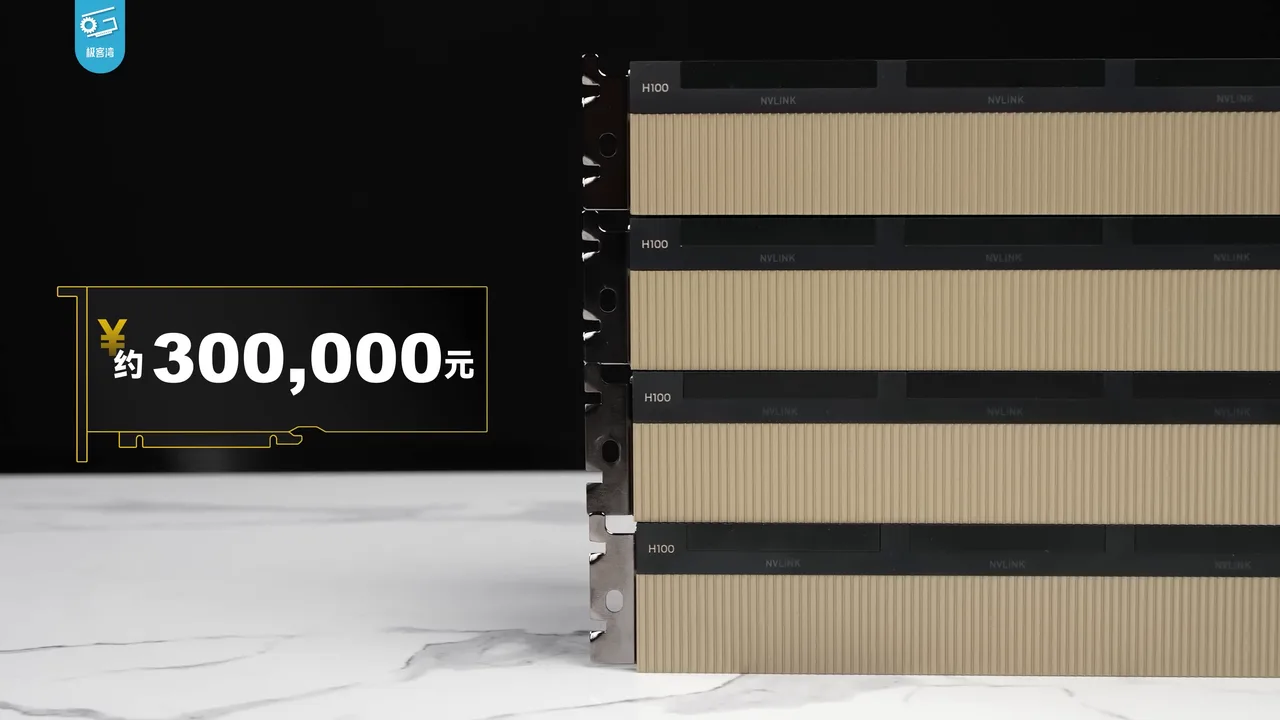
Cover image: NVIDIA H100 cards by 极客湾Geekerwan, CC BY 3.0, via Wikimedia Commons. Illustrative still of H100 cards; the Chinese price caption is the video maker's and not a figure from this story.