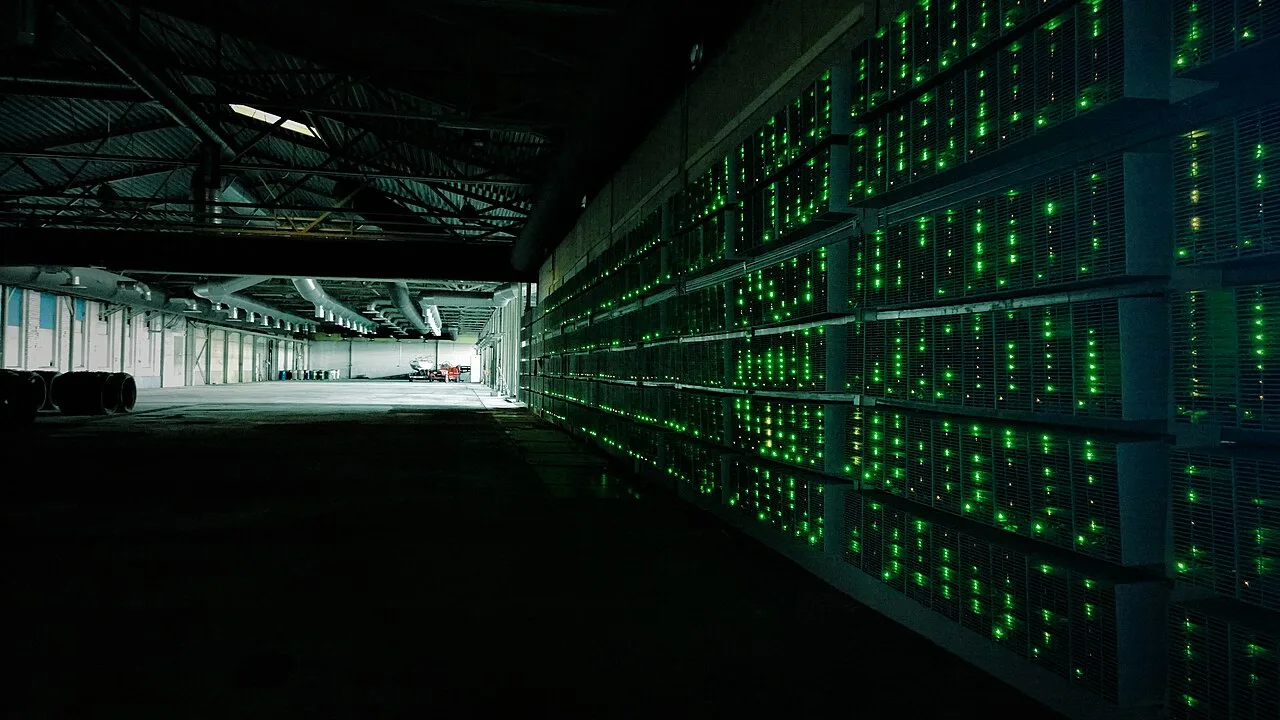
Bitcoin is supposed to produce a new block every 10 minutes. On November 26, it took 98 minutes. The gap was probably a statistical fluke, but it landed in the middle of a brutal month for the people who run the network's machines.
The 98-minute gap
The wait between blocks 977,697 and 977,698 lasted 98 minutes and 19 seconds, nearly 10 times the 10-minute target, per Bitcoin.com News. Galaxy Digital's Alex Thorn ranked it the 69th-longest gap since 2011 and the longest since July. Foundry USA finally mined the next block, which carried 3,723 transactions and 0.1562 BTC in fees, per TokenPost. Galaxy's math says a gap this long should happen about once every 18,600 blocks, or roughly once every four months, per Bitcoin.com News. On July 6, miners took 112 minutes and 26 seconds, per Bitcoin.com News. So this was rare, not impossible, and Bitcoin.com News says it does not by itself show miners giving up or the network becoming less secure.