Australia has passed a law that treats AI chatbots like any other product that can hurt people. The Australian communications minister's release says the Digital Duty of Care cleared Parliament this week, and that online services "such as games, apps, social media platforms and AI chatbots" must protect Australians from seriously harmful material and conduct. AI Ethiquettes dates the Senate vote to Nov. 25. This post reports what the government, the Greens and the press say. It is not legal advice.
What the law says
According to the Australian communications minister's release, services must make sure their "features and tools don't cause harm to users". They must also protect under-18s from material, conduct and features that are harmful to them. The release lists content that glorifies crime or life-endangering stunts, content that causes serious mental distress, content that encourages eating disorders and content that promotes hostile attitudes towards women.
SBS News adds that the law focuses on how digital services are designed and run, so companies must assess risks and act. It names features such as infinite scroll, autoplay and gamification in a quote from Greens senator Sarah Hanson-Young. Professional news and entertainment material are exempt, according to SBS.
The penalties and the right to sue
The ministerial release says breaches can bring penalties of up to 5% of the offending company's global turnover, or $109.2 million, whichever is greater. The law also gives individuals or groups a private right of action, so they can take a provider to court over breaches that caused them loss or damage.
SBS News reports that the 5% figure and the right to sue came from the Greens during a deal with Labor on Nov. 24, because the Coalition would not back the bill. Labor's original proposal had set fines at $109 million, SBS says. The government also gave up ministerial powers to classify new online harms and carved out small businesses and religious organisations, according to the same report.
Other changes
The Australian communications minister's release describes a "My Feed, My Way" initiative that gives Australians control over their social media algorithms. SBS says users aged 16 and over can switch off algorithm-recommended feeds and see posts from accounts they follow.
The eSafety Commissioner gets expanded powers to remove nudify apps and websites. SBS reports that the required response time for cyberbullying and abuse complaints drops from 48 hours to 24. A rule-making power also allows an external dispute resolution pathway. SBS says an independent ombudsman will help people challenge social media account bans, and quotes the Telecommunications Industry Ombudsman, Cynthia Gebert, welcoming a free dispute scheme.
The pushback
The fight is not over. The SBS News report says the Coalition opposed the bill and warned that free speech could be policed. Opposition communications spokesperson Sarah Henderson called it "a blank cheque for political censorship", per SBS.
The United States has objected too. SBS quotes US ambassador David Brat saying the Trump administration has "well-known objections" and that "vaguely defined 'harms', backed by penalties of up to 5 per cent of global revenue, will push platforms to censor lawful speech". He also said the US is concerned about compliance burdens on American companies. Communications Minister Anika Wells said there are "points of difference" and that the government is "riding them out", per SBS. Those are claims by each side, not findings.
What happens next
The Australian communications minister's release says the duty takes effect in 12 months. AI Ethiquettes notes that the exact start of the main duty was not yet clear in its roundup, so check the government's own announcement before relying on a date. How regulators define "serious harm" for chatbots will matter a lot. The sources we read do not say what a chatbot company must do in practice, and that detail will probably come from rules and eSafety guidance.
Why it matters
Until now, most AI chatbot rules have focused on specific risks or on voluntary company promises. Australia has put chatbots under the same general duty as social media, with a fine large enough to get a global company's attention and a path for ordinary people to go to court. The Australian Greens called it the day Australia "finally has a Digital Duty of Care in law". Critics say the wording is too vague. Both views will be tested in the next year. For any company that runs a chatbot used in Australia, the working question is how it will show that its product design reduces harm to children and other users. For readers in other countries, including Indonesia, this is one example of where chatbot regulation may head. We did not find sourced information about any Indonesian rules, so we draw no comparison.
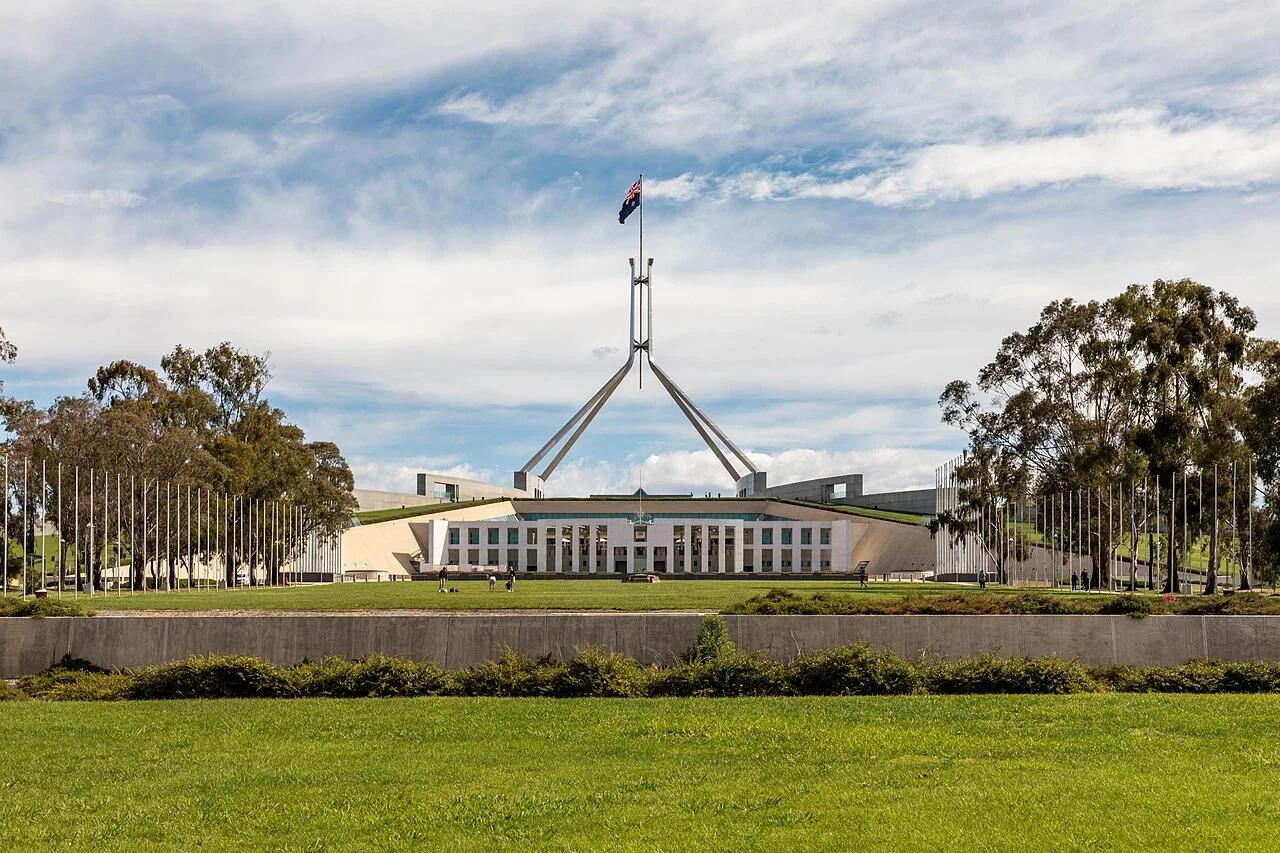
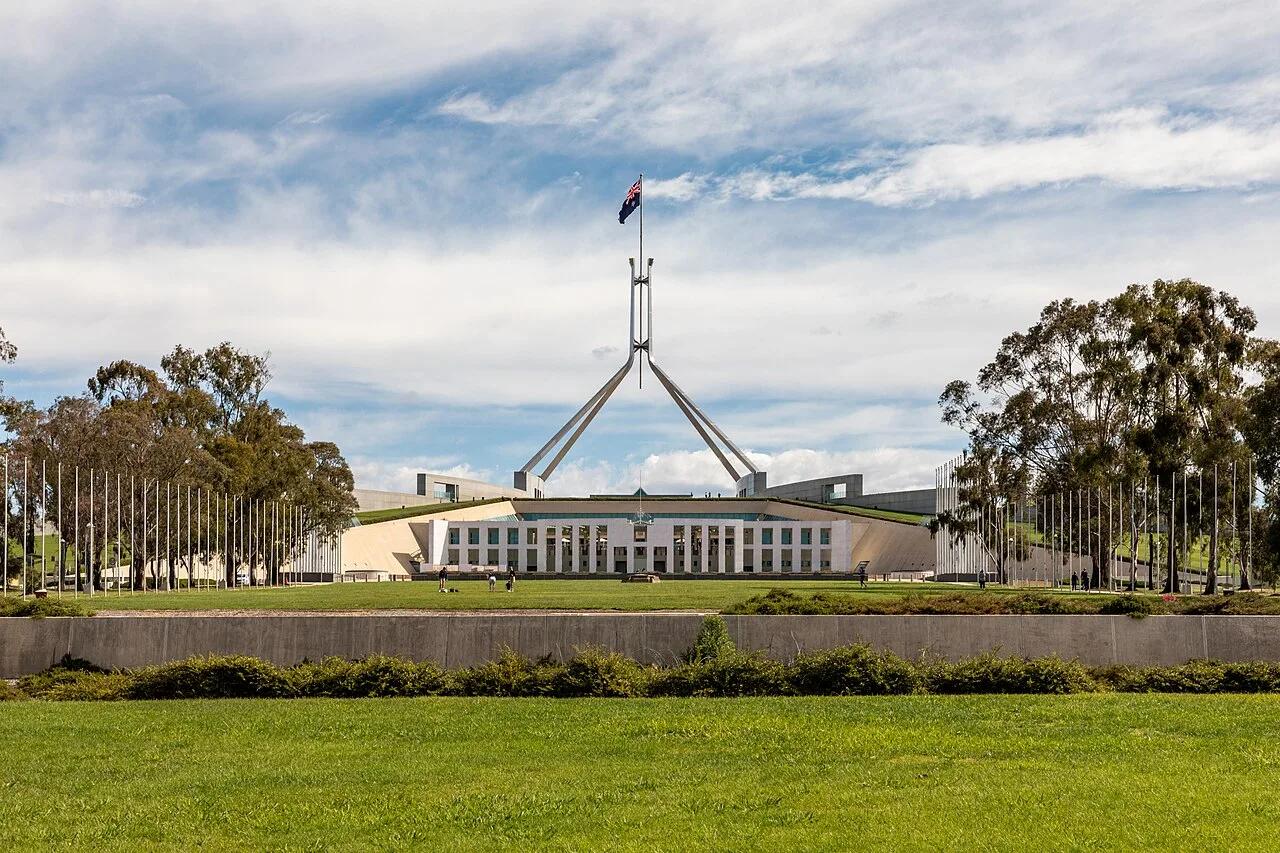
Cover photo: Parliament House in Canberra, photo by Dietmar Rabich, CC BY-SA 4.0, via Wikimedia Commons.