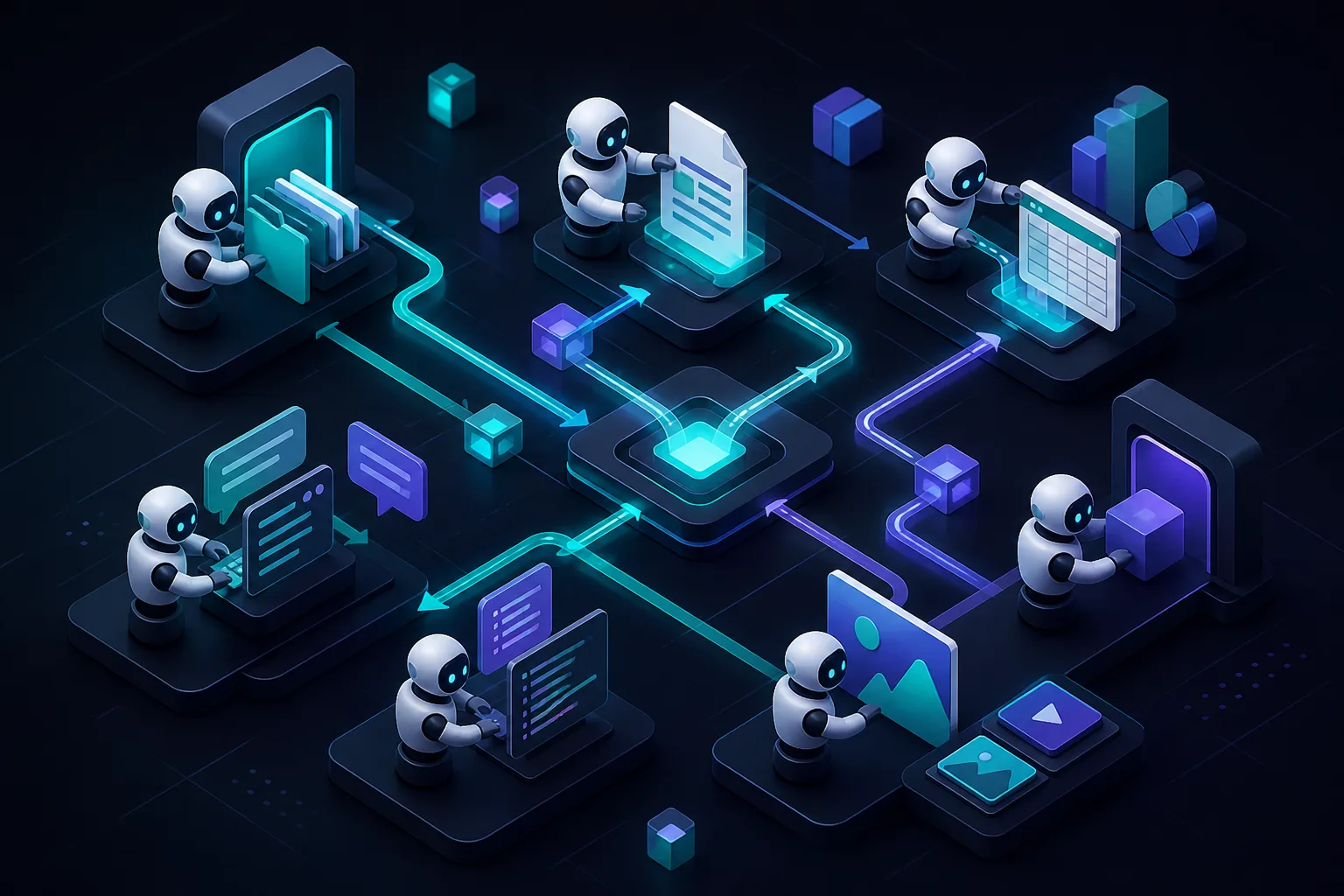
Anthropic’s new Claude Ship is a useful signal for where AI agents and workflow automation are headed: not just drafting content, but taking part in real production work like reviewing, fixing, and approving code changes. For founders and operations teams, the takeaway is simple: the line between “assistant” and “operator” is getting thinner, and teams that build reliable approval steps will move faster than teams that just add another chatbot.
What happened
On November 23, 2026, TechCrunch reported that Anthropic launched Claude Ship, a product aimed at letting AI agents review, fix, and approve code changes. The report framed it as Anthropic pushing agents further into practical software delivery rather than narrow prompt-and-response tasks. (techcrunch.com)
The timing matters. The story landed as the market continues moving from simple copilots toward systems that can operate inside real workflows, coordinate with tools, and complete multi-step tasks. That same week, broader coverage around agent reliability and oversight also highlighted a key issue: once agents are allowed to act, teams need ways to control failure modes, not just increase autonomy. (techcrunch.com)
Why this matters
Claude Ship is important because it pushes AI agents closer to a place where they can affect shipping velocity, not just brainstorming velocity. Code review is one of the highest-leverage bottlenecks in modern product teams. If an agent can help surface bugs, suggest fixes, and prep changes for approval, a small team can ship more without immediately hiring more reviewers. (techcrunch.com)
For businesses, the larger lesson is that automation is shifting from task completion to workflow participation. That changes how you think about process design:
- A simple automation sends a notification.
- A stronger automation gathers context, applies rules, and drafts the next action.
- An agentic workflow proposes a change, waits for approval, then executes it in the right system.
That third step is where the value is, but it is also where the risk lives. As recent reporting on agent permissions and blast radius shows, the question is no longer only whether an agent can do the job. It is whether the surrounding system can predict what happens if the agent is wrong. (venturebeat.com)
For creators and small teams, this also lowers the barrier to building useful internal tools. You do not need a giant engineering org to benefit from agentic workflows. You need a clear process, a few trusted systems, and a review step that keeps the human in control.
What it means for founders, marketers, and ops teams
If you run a small team, this news is less about code and more about a pattern:
- Agents are moving into approval-based work. That includes content review, lead qualification, support triage, invoice checks, and ops escalations.
- Speed is becoming a systems problem. The biggest gains come when the agent has access to the right data, the right tools, and the right permissions.
- Governance is now part of automation design. Approval gates, logs, and fallback paths are no longer optional if the agent can take action. (techcrunch.com)
In practice, that means the best automation teams will not be the ones with the most bots. They will be the ones with the cleanest handoff between AI suggestion and human signoff.
How to put this to work
Here are three automation ideas you could build in Impresiv right away.
1) AI-assisted release checklist
Use a workflow that watches your GitHub, Slack, or project board for a code change request, then:
- pulls the pull request summary
- asks an AI model to check for missing test notes, broken release steps, or risky wording
- posts a structured approval checklist into Slack
- routes the result to a human reviewer before merge
This mirrors the Claude Ship idea, but adds an ops-friendly approval layer instead of assuming the model should act alone.
2) Marketing asset review and approval loop
Build a workflow for social posts, landing-page copy, or ad creatives:
- creator drops content into Google Drive
- AI checks brand voice, claims, CTA clarity, and formatting
- the workflow sends a summary to Slack or WhatsApp
- a manager approves, rejects, or requests edits
- final assets are copied into the right folder or scheduled for publishing
This is useful for creators and lean teams because it cuts review time without removing accountability.
3) Support escalation agent with confidence thresholds
Create a workflow for support inboxes or WhatsApp messages:
- incoming message is classified by intent and urgency
- AI drafts a reply and identifies whether the issue is billing, bug report, cancellation, or feature request
- if confidence is high, the draft is queued for one-click approval
- if confidence is low, the issue is routed to a human with a summary and suggested next step
This is a good pattern for any team that wants agent speed without sacrificing customer trust.
| Workflow | What the agent does | Human step | Business payoff |
|---|
| Release checklist | Reviews PR context and flags risks | Approves merge-ready changes | Faster shipping |
| Asset review | Checks copy and brand consistency | Signs off on final publish | Less back-and-forth |
| Support triage | Classifies issue and drafts response | Confirms sensitive cases | Faster first response |
The strategic takeaway
Claude Ship is another sign that the market is moving beyond isolated AI tools and into agentic operations. The winners will not be the teams that automate everything. They will be the teams that automate the right steps, keep the important approvals visible, and make it easy to hand off between model and human.
That is especially relevant for small businesses, where one workflow can replace hours of manual coordination every week. If your current process still depends on someone reading, copying, deciding, and posting the same information across tools, this is the moment to redesign it.
Sources
- TechCrunch, November 23, 2026: Anthropic launches Claude Ship, letting AI agents review, fix, and approve code changes. (techcrunch.com)
- VentureBeat, November 19, 2026: OpenAI reveals Performance Factory, a Codex-powered software optimization system. (venturebeat.com)
- VentureBeat, November 23, 2026: AI agents have permission. Who’s checking the blast radius? (venturebeat.com)
- TechCrunch, November 24, 2026: Even the best AI agents struggle with everyday life. (techcrunch.com)
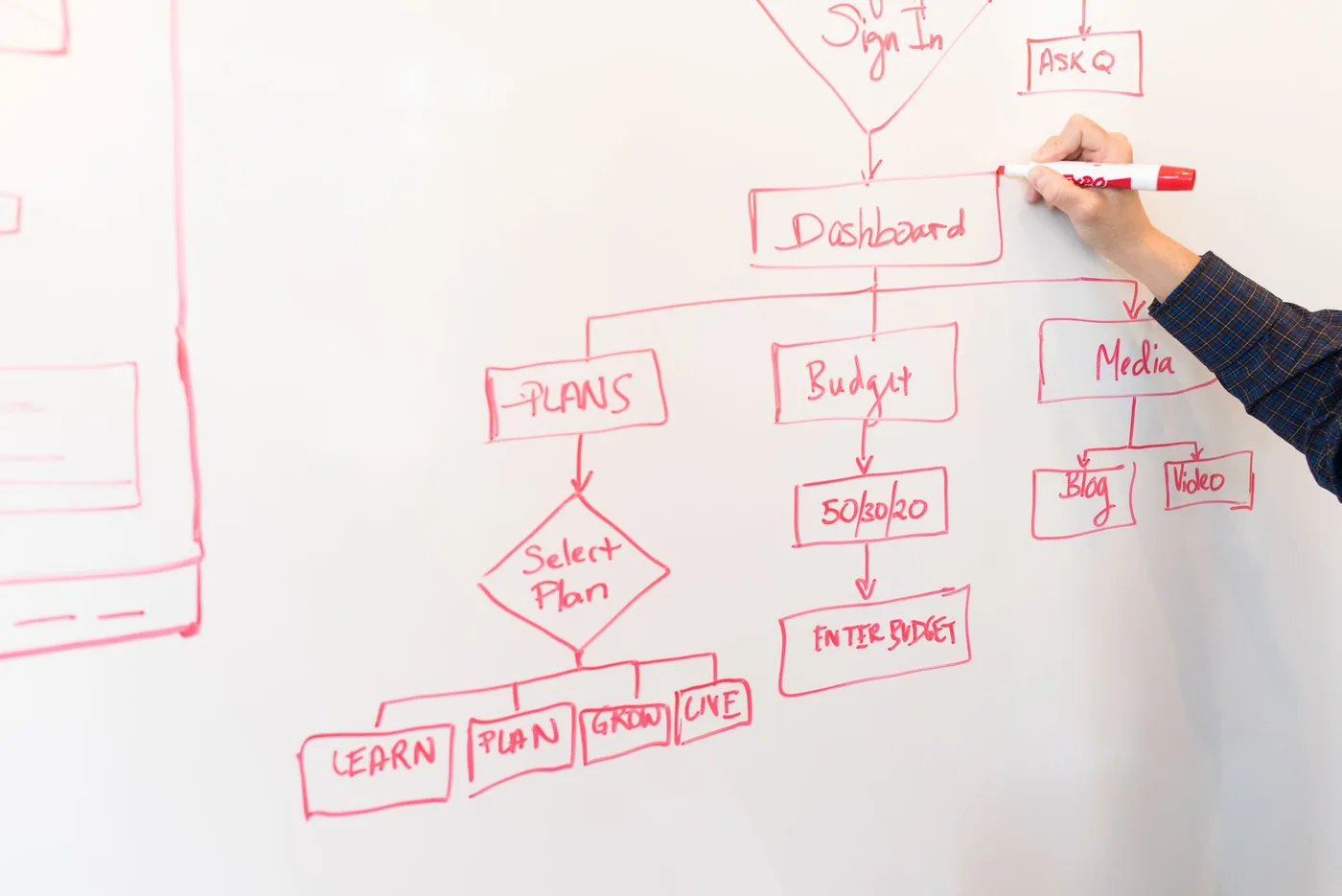
Photo by Christina Morillo on Pexels
Frequently asked questions
What is Claude Ship?
Claude Ship is Anthropic’s new agent-focused workflow for reviewing, fixing, and approving code changes. It is part of the broader shift toward AI agents that do more than generate text. (techcrunch.com)
Why does this matter for non-developers?
Because the same pattern applies outside engineering. Any team with repeatable review work, approval steps, or handoffs between tools can use the same idea to save time and reduce errors. (venturebeat.com)
Is it safe to let AI agents take action automatically?
Only when you design strong guardrails. Recent coverage on agent permissions and failure modes shows why approval gates, logging, and scoped access matter. (venturebeat.com)
How should small teams start?
Start with one workflow that is repetitive, rules-based, and easy to review. Add AI to summarize, classify, or draft the next step, then keep a human approval before anything irreversible happens. (techcrunch.com)
Try it with Impresiv
If you want to turn this pattern into a real workflow, Impresiv makes it easy to build agentic automations with approvals, integrations, and no-code logic. Start here: impresivai.com/login.
Cover image: Image: techcrunch.com